Deciding whether to proceed with circumcision for your child is an important choice that many parents make early in life. In a city as large and diverse as Los Angeles, families have access to a wide range of medical providers and clinics, yet this abundance also means that parents must carefully research their options. Understanding the procedure, benefits, risks, timing, and aftercare can help ensure that the experience — both physically and emotionally — goes as smoothly as possible.
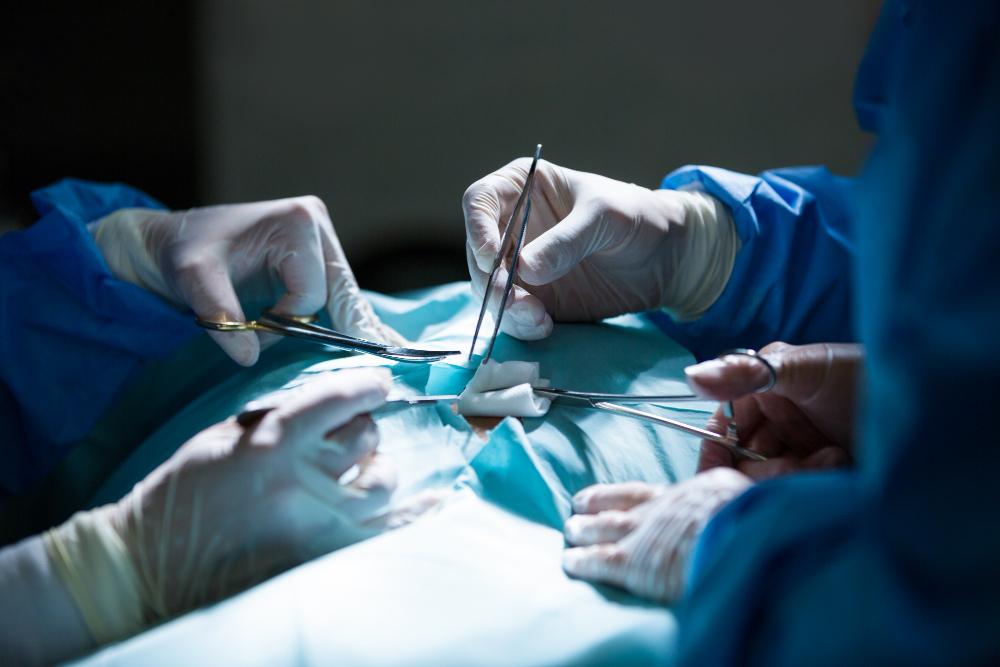
What Parents Should Know Before Scheduling Circumcision Los Angeles for their Child.
Understanding the Procedure
Circumcision is a surgical procedure that involves the removal of the foreskin from the penis. It’s commonly performed on newborns but can also be done later in childhood or adulthood for medical, cultural, or religious reasons. In medical settings in Los Angeles, circumcision is usually quick — often taking only a few minutes — and is typically performed by a qualified pediatrician, urologist, or specialist trained in infant care.
Before scheduling, it’s essential to understand how the procedure will be done at your chosen provider’s facility. Some clinicians use a clamp or plastic ring device, while others may use a surgical approach. Each technique has its own recommended care protocols and pain management strategies, and providers should explain their preferred method clearly during a consultation.
Timing and Age Considerations
For newborns, circumcision is frequently performed within the first few days of life, often before discharge from the hospital. Many parents choose this timing because newborns tend to heal quickly, and the procedure is typically less complicated in younger infants. However, some families opt to wait until the child is older for personal or cultural reasons. Older children and adults may require sedation or local anesthesia, and recovery may take a bit longer.
Discussing the ideal timing with your pediatrician or specialist can help you weigh the benefits and potential challenges of early versus later circumcision. In Los Angeles, where medical expertise is abundant, many parents find it helpful to get advice from more than one healthcare professional to make an informed choice.
Benefits and Risks
Studies suggest that circumcision can offer certain health benefits, including a reduced risk of urinary tract infections in infancy and a lower likelihood of some sexually transmitted infections later in life. Additionally, circumcision can prevent foreskin-related conditions such as phimosis and recurrent balanitis. These potential benefits are part of why many parents in Los Angeles and elsewhere choose the procedure.
That said, circumcision is not without risks. As with any surgical procedure, there is a possibility of bleeding, infection, or abnormal healing. These complications are uncommon when the procedure is done by an experienced provider under sterile conditions, but parents should always ask about potential risks and how they are managed. A clear discussion about what constitutes normal postoperative healing versus signs of complications can help parents feel prepared and confident.
Pain Management and Comfort
Pain management is an essential consideration for parents. For infants, clinicians typically use local anesthesia such as a dorsal penile nerve block or a topical anesthetic to minimize discomfort during the procedure. Afterward, over-the-counter pain relievers may be recommended for the first day or two, along with gentle care of the surgical site. In older patients, doctors may use sedation or general anesthesia depending on age and preference.
It’s important to ask your provider about their pain management protocol and how they support infants or older children during and after circumcision. Knowing what to expect can help parents prepare emotionally and logistically for the procedure.
Recovery and Aftercare
Recovery after circumcision generally progresses quickly. Most newborns heal within about a week, while older children may take slightly longer. Parents should follow the detailed aftercare instructions provided by their clinician, which usually include keeping the area clean, changing dressings as needed, and observing for any signs of infection such as redness, swelling, or discharge.
Gentle cleaning with warm water and careful diapering or clothing changes help support healing. Most providers encourage parents to contact their office if they notice anything unusual or if pain seems excessive.
Making the decision to schedule circumcision involves thoughtful consideration, trusted medical advice, and clear communication with healthcare providers. By understanding the procedure, timing, benefits, and care involved, parents can approach the experience with confidence and peace of mind.
This article outlines key information parents should know before scheduling a circumcision in Los Angeles, covering timing, benefits, and recovery. Learn more or schedule a consultation with experienced clinicians at http://www.mohellosangeles.com/circumcision — a trusted resource for families considering this procedure. A helpful guide for parents, this article highlights essential questions to ask and what to expect throughout the process.
Comments
Post a Comment