Recovery after adult circumcisions can vary from person to person, but most men follow a similar healing trajectory if they take proper care and follow medical guidance. Understanding what to expect — from pain levels and mobility to hygiene and activity restrictions — helps make the recovery period smoother, safer, and less stressful. With the right approach, most men return to normal activities within a few weeks and resume full physical activity once healing is complete.
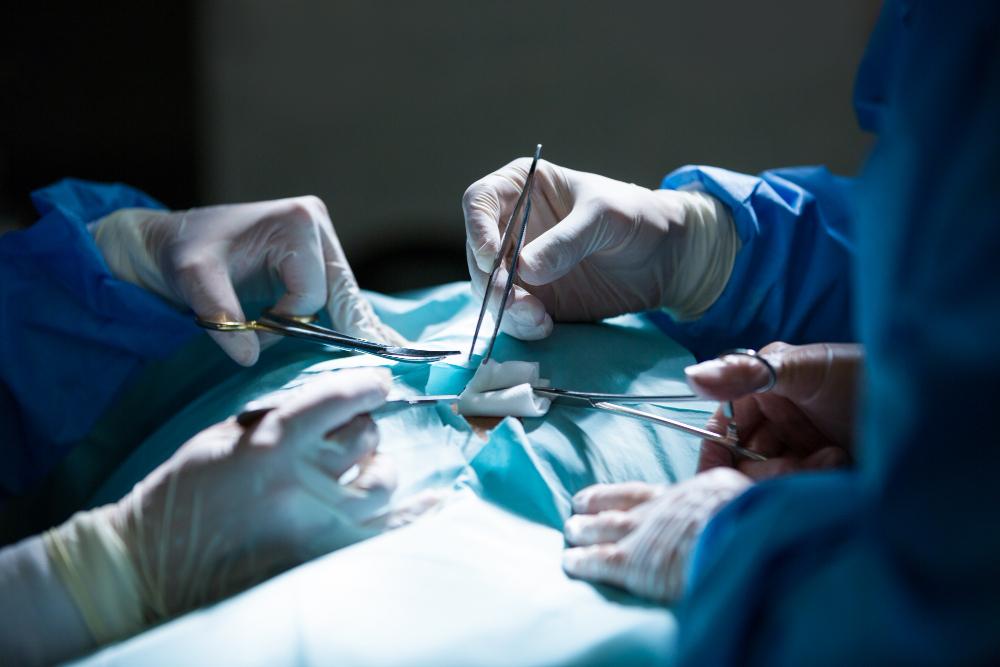
Typical Recovery Timeline
Immediately after the procedure, your body begins a natural healing process. Most patients experience some discomfort, swelling, and mild bleeding or oozing at the surgical site during the first 24–48 hours. Pain is usually manageable with prescribed medications or over-the-counter pain relievers recommended by your clinician. Applying ice packs intermittently during the first day can also help reduce swelling.
By day 3 to day 5, swelling and bruising typically peak and then begin to diminish. Most men find that discomfort decreases significantly by this time, though the area may still feel tender. It’s important to monitor the incision for signs of excessive redness or continued bleeding, and to contact your provider if those occur.
By day 7 to day 10, many patients feel comfortable walking, light chores, and even returning to non-strenuous work routines. However, vigorous activities — including gym workouts, running, and heavy lifting — are generally discouraged until your clinician confirms that healing has progressed adequately.
By two weeks, most of the swelling and tenderness resolve, and stitches — if not dissolvable — may be removed. At this point, the wound edges should be healing well. Some residual numbness or sensitivity can persist for a few weeks as tissues fully recover.
By three to four weeks, many men can resume most everyday activities without discomfort. Sexual activity can often be resumed at this point if your healthcare provider agrees, but it’s essential not to rush back into vigorous intercourse before full healing to avoid pain, tearing, or delayed recovery.
Post-Procedure Care and Hygiene
Proper care of the surgical site is crucial to avoid infection and promote healing:
• Keep the area clean and dry — During the first few days, you might be advised to sponge-bathe rather than take full showers. Once allowed, gentle showering with mild soap and warm water is usually recommended, but avoid soaking in tubs or swimming pools until fully healed.
• Follow dressing instructions — Your provider will explain how to change dressings and how long to keep them in place. Some clinics use specialized dressings that can remain until they naturally fall off, while others require periodic changes.
• Medication adherence — Take all prescribed antibiotics or pain medications as directed. Even if pain subsides, completing the full course of antibiotics helps prevent infection.
• Monitor for complications — Mild swelling, slight redness, and minor oozing can be normal. However, increasing redness, foul-smelling discharge, fever, or severe pain aren’t typical and should prompt a call to your clinician.
Tips to Support Healing
• Wear loose, comfortable clothing — Tight underwear or pants can irritate the surgical area. Comfortable cotton underwear and loose shorts help avoid friction and allow better airflow.
• Avoid strenuous activity — Give your body time to heal. Activities like heavy lifting, intense workouts, and contact sports increase the risk of bleeding or swelling at the incision site.
• Rest adequately — Your body heals faster when you’re well-rested. Balance light activity with plenty of downtime during the first week.
• Stay hydrated and eat well — Good nutrition and hydration support wound healing and overall recovery. Focus on balanced meals with adequate protein, vitamins, and fluids.
• Communicate with your clinician — Don’t hesitate to ask questions or report unusual symptoms. Follow-up appointments help ensure that recovery stays on track.
Recovery from adult circumcisions involves a gradual reduction in discomfort, careful hygiene, and patience. By understanding the timeline and following recommended care steps, most men can expect a smooth recuperation and return to regular activities within a few weeks.
This article outlines what to expect during recovery after adult circumcisions, including care tips and a general timeline for healing. Learn more about procedures and supportive care options at http://www.mohellosangeles.com/adult-circumcisions — a resource for understanding treatment, recovery expectations, and patient support. A helpful guide for anyone considering adult circumcision, this piece highlights key stages of healing and best practices for care.
Comments
Post a Comment